Source Wheel Loader Seal Cap for Excavators, Trucks, and Trailers
Explore 30 wheel loader seal cap options from verified suppliers. Compare key specifications such as material composition, certification standards, and customization support to ensure reliable performance for heavy machinery maintenance and repair applications; compare the available evidence and request quotations based on your requirements.
Key considerations
Products List


$2.15 - $3.65
Moq: 1000


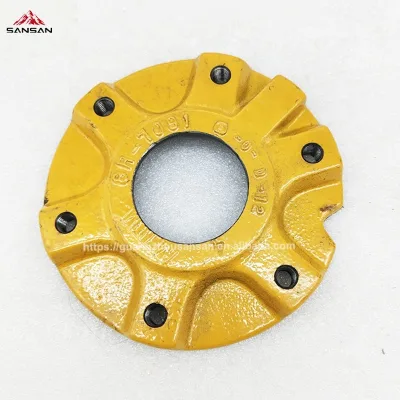


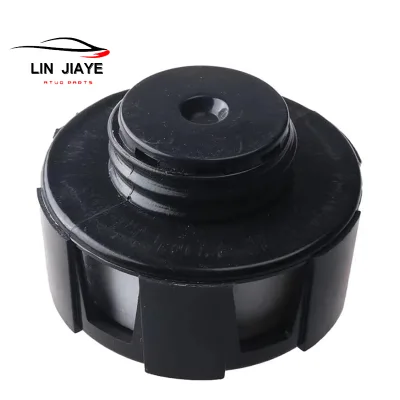


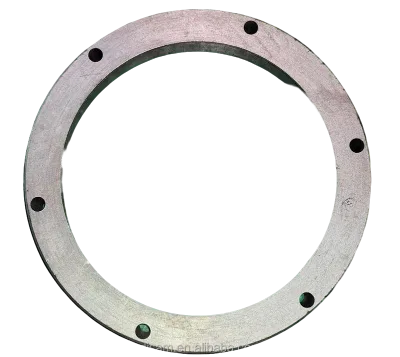

Comprehensive Sourcing Guide
Wheel Loader Seal Cap Sourcing Guide
Procuring replacement seal caps for wheel loaders requires a disciplined approach to part identification and supplier verification. These components are critical for maintaining hydraulic integrity and preventing contamination in heavy machinery operations. Buyers must prioritize exact part number matching, as variations in model series such as the 966F or H180 dictate specific dimensional tolerances. The observed market data indicates a wide range of product conditions, from new aftermarket units to specialized customizations, necessitating careful scrutiny of material composition and origin.
The sourcing landscape includes suppliers from regions like Shandong and Luoyang, offering both standard and customized solutions. It is essential to distinguish between original equipment manufacturer (OEM) specifications and aftermarket alternatives, particularly when dealing with brands like Caterpillar. Buyers should verify that the seal caps meet the operational demands of their specific loader models, ensuring compatibility with engine models such as the 3116 or C7.1. This guide outlines the key technical, compliance, and commercial factors to consider when securing reliable supply chains for these vital mechanical components.
Product Scope and Observed Listing Signals
The current market for wheel loader seal caps exhibits significant diversity in material composition and manufacturing origins. Listings frequently highlight materials such as metal, plastic, iron, steel, and rubber, indicating that buyers must select components based on specific mechanical requirements rather than assuming a universal material standard. For instance, some products are explicitly described as metal and plastic composites, while others rely on steel or rubber for durability. This variation underscores the importance of verifying the material grade to ensure resistance to wear, corrosion, and extreme operating temperatures typical in construction environments.
Pricing and minimum order quantities (MOQ) vary widely, with observed price ranges extending from $0.08 to $298 and MOQs from 1 to 1000 units. This disparity reflects differences in customization levels, packaging standards, and supplier scale. Some suppliers offer basic box or wooden box packaging, while others provide export-standard cartons with inner plastic bag protection. Buyers should align their order volume with their inventory needs, considering that higher MOQs may offer cost efficiencies but require careful storage management. Understanding these listing signals helps in filtering suppliers who can meet both technical specifications and logistical constraints.
Technical Specifications to Verify
Verifying technical specifications is paramount to ensuring the seal caps fit correctly and function reliably within the wheel loader’s hydraulic system. Buyers must cross-reference part numbers such as 1188270, 1377669, and 117-7046 with their equipment’s maintenance manuals to confirm compatibility. The observed data shows models like B92, 966F, and H180, each potentially requiring distinct dimensional tolerances. Additionally, specifications such as an outer diameter of 113mm for certain CE Mini Loader applications highlight the need for precise measurement verification. Mismatched dimensions can lead to hydraulic leaks, pressure loss, and subsequent equipment failure, making accurate part identification a non-negotiable step in the procurement process.
Material properties and finishing processes also play a crucial role in the longevity of the seal caps. Some listings mention black electrostatic powder coating for rust-proofing and smooth burr-free surfaces achieved through CNC stamping and seamless welding. These finishing techniques enhance durability and prevent debris accumulation, which is vital for maintaining seal integrity in dusty or muddy conditions. Buyers should inquire about the specific processing technologies used, such as whether the components are stamped or welded, and verify that the surface treatment meets the environmental demands of their operational sites. Confirming these details ensures that the purchased parts will withstand the mechanical stresses and environmental exposures typical of wheel loader applications.
Compliance and Safety Documentation
Compliance with international standards is a critical factor when sourcing wheel loader seal caps, particularly for equipment operating in regulated markets. Many suppliers list certifications such as CE, ISO9001, TUV, VIA, and DOT, indicating adherence to specific quality and safety benchmarks. Buyers should request valid certification documents to verify that the supplier’s quality management systems are up to date and that the products meet regional regulatory requirements. The presence of CE marking, for instance, suggests conformity with European health, safety, and environmental protection standards, which may be mandatory for equipment imported into or used within the European Economic Area.
In addition to certifications, buyers should assess the availability of machinery test reports and warranty terms. The observed data indicates that test reports are often not available, which may pose a risk for buyers requiring documented performance validation. It is advisable to negotiate warranty periods, with some suppliers offering three-month coverage, to mitigate the risk of premature failure. Clear warranty terms provide recourse in case of defects, ensuring that the buyer is protected against substandard products. Understanding the scope of these compliance documents helps buyers make informed decisions and maintain the operational integrity of their machinery fleets.
Cost Drivers and Commercial Terms
Several factors influence the total cost of ownership for wheel loader seal caps, including material costs, manufacturing complexity, and packaging requirements. Customization options, such as printed logos or specific thicknesses, can increase production costs and lead times. Buyers should evaluate whether customization is necessary for their branding or operational needs, as standard parts often offer better price stability and availability. Additionally, the origin of the product, whether from Shandong, Luoyang, or Guangdong, can impact shipping costs and delivery times. Understanding these cost drivers allows buyers to negotiate more effectively and budget accurately for their procurement needs.
Shipping methods and payment terms also play a significant role in the commercial structure of the purchase. Options such as sea, air, or express shipping offer different trade-offs between cost and speed. For urgent maintenance needs, air or express shipping may be necessary despite higher costs, while bulk orders can benefit from slower, more economical sea freight. Buyers should clarify the shipping terms with suppliers to avoid unexpected logistics expenses. Furthermore, understanding the supplier’s payment policies and any potential tariffs or duties associated with the product’s origin is essential for calculating the true landed cost. Transparent commercial terms help in establishing a sustainable and cost-effective supply chain.
Supplier Qualification and Quality Control
Evaluating supplier qualification is essential to ensure the reliability and consistency of the wheel loader seal caps supplied. Buyers should verify the supplier’s business credentials, including their registration status and years in operation, to assess their stability and experience in the industry. Suppliers claiming to be aftermarket manufacturers should provide evidence of their manufacturing capabilities, such as factory audits or production capacity details. The distinction between original and aftermarket parts is crucial, as aftermarket components may vary in quality and performance. Buyers should request samples or small trial orders to evaluate the product quality before committing to larger purchases.
Quality control processes should be clearly defined and communicated by the supplier. Buyers should inquire about the supplier’s inspection procedures, including incoming material checks, in-process inspections, and final product testing. Although machinery test reports may not always be available, suppliers should be able to describe their internal quality assurance protocols. Additionally, buyers should consider the supplier’s ability to handle customization requests, such as specific packaging or branding, without compromising product integrity. Establishing a strong relationship with a qualified supplier ensures a steady supply of high-quality parts and reduces the risk of operational disruptions due to part failures.
Long-Term Procurement Checks
Establishing long-term procurement checks is vital for maintaining the performance and reliability of wheel loader seal caps over time. Buyers should implement a regular review process to assess supplier performance, including delivery times, product quality, and responsiveness to issues. Tracking the performance of installed seal caps in the field can provide valuable feedback on their durability and suitability for specific operating conditions. This data can inform future purchasing decisions, allowing buyers to adjust their specifications or switch suppliers if necessary. Continuous monitoring helps in identifying trends and potential issues early, enabling proactive management of the supply chain.
Additionally, buyers should stay informed about updates in industry standards and technological advancements in seal cap design. As machinery evolves, so do the requirements for sealing components, and staying current with these changes ensures that the procurement strategy remains effective. Regular communication with suppliers about new product offerings or improvements can lead to better solutions and cost savings. By maintaining a dynamic and informed procurement approach, buyers can optimize their inventory management, reduce downtime, and enhance the overall efficiency of their wheel loader operations. This long-term perspective ensures that the sourcing strategy aligns with the evolving needs of the business.
FAQs
What certifications do wheel loader seal caps have?
Wheel loader seal caps often carry CE, ISO9001, TUV, VIA, and DOT certifications. These standards ensure the products meet international safety and quality requirements for heavy machinery applications and aftermarket replacements.
Can I customize the thickness and logo on these caps?
Yes, customization is available for thickness and printed logos. Buyers can request specific dimensions and branding to match their equipment needs while maintaining the standard metal and plastic material composition.
Which models fit the wheel loader seal cap?
These caps fit models like 966F, 416D, 424D, 428D, 420D, and H180. They are designed to adapt to standard specifications and serve various commercial truck and trailer applications effectively.
How is the wheel loader seal cap packaged?
Packaging options include export standard cartons, inner plastic bags, wooden boxes, or standard boxes. The specific packing method depends on the supplier and order requirements to ensure safe transport.
What is the warranty period for these parts?
The warranty period is typically three months for these aftermarket components. This coverage applies to defects in material or workmanship under normal operating conditions for the specified machinery models.
Where are these wheel loader seal caps manufactured?
Manufacturing origins include Shandong, Luoyang, and Guangdong in China. These regions are known for producing heavy machinery parts with specific material compositions like iron, steel, and rubber for durability.
What material is used for the wheel loader seal cap?
Materials include metal, plastic, iron, steel, and rubber depending on the specific part. The surface treatment often involves black electrostatic powder coating to provide rust-proof protection and a smooth finish.